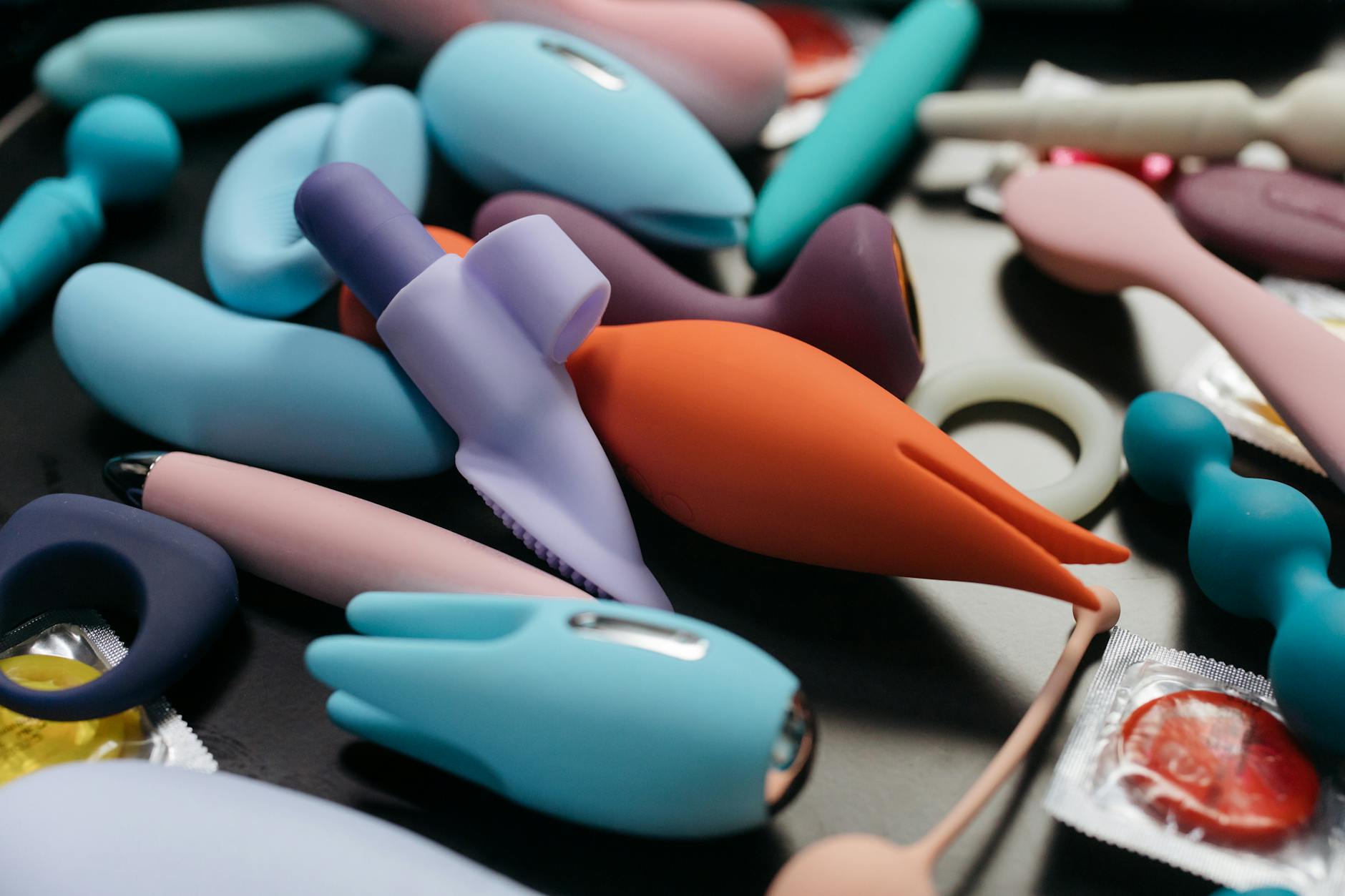
Here's the honest thing about sensitivity
Your body is not broken if what feels amazing one day feels overwhelming the next. Sensitivity isn't a fixed trait. It shifts with your cycle, stress levels, medications, how much sleep you got, and a dozen other invisible variables. Most vibrator guides ignore this completely. They tell you to pick a strength level and move on. That's useless if your actual threshold changes.
If you're someone whose sensation tolerance moves around, choosing a clitoral vibrator becomes less about finding "the best" and more about finding one flexible enough to meet you wherever you are.
Why standard vibrator specs don't tell the whole story
When people compare lemon vibrators, they usually focus on power and pattern options. That's part of it. But what actually determines whether a vibrator works for variable sensitivity is texture, amplitude (how much the toy physically moves), and how the stimulation spreads across the area.
A traditional bullet vibrator with high Hz (vibrations per second) concentrates intensity into a tiny point. That's useful if you have low sensation, useless or painful if you're having a high-sensitivity day. A lemon clitoral vibrator uses suction and air pulse technology instead. That means the stimulation spreads across a wider tissue area without the same concentrated force.
That distinction matters wildly when your body's baseline is unpredictable.
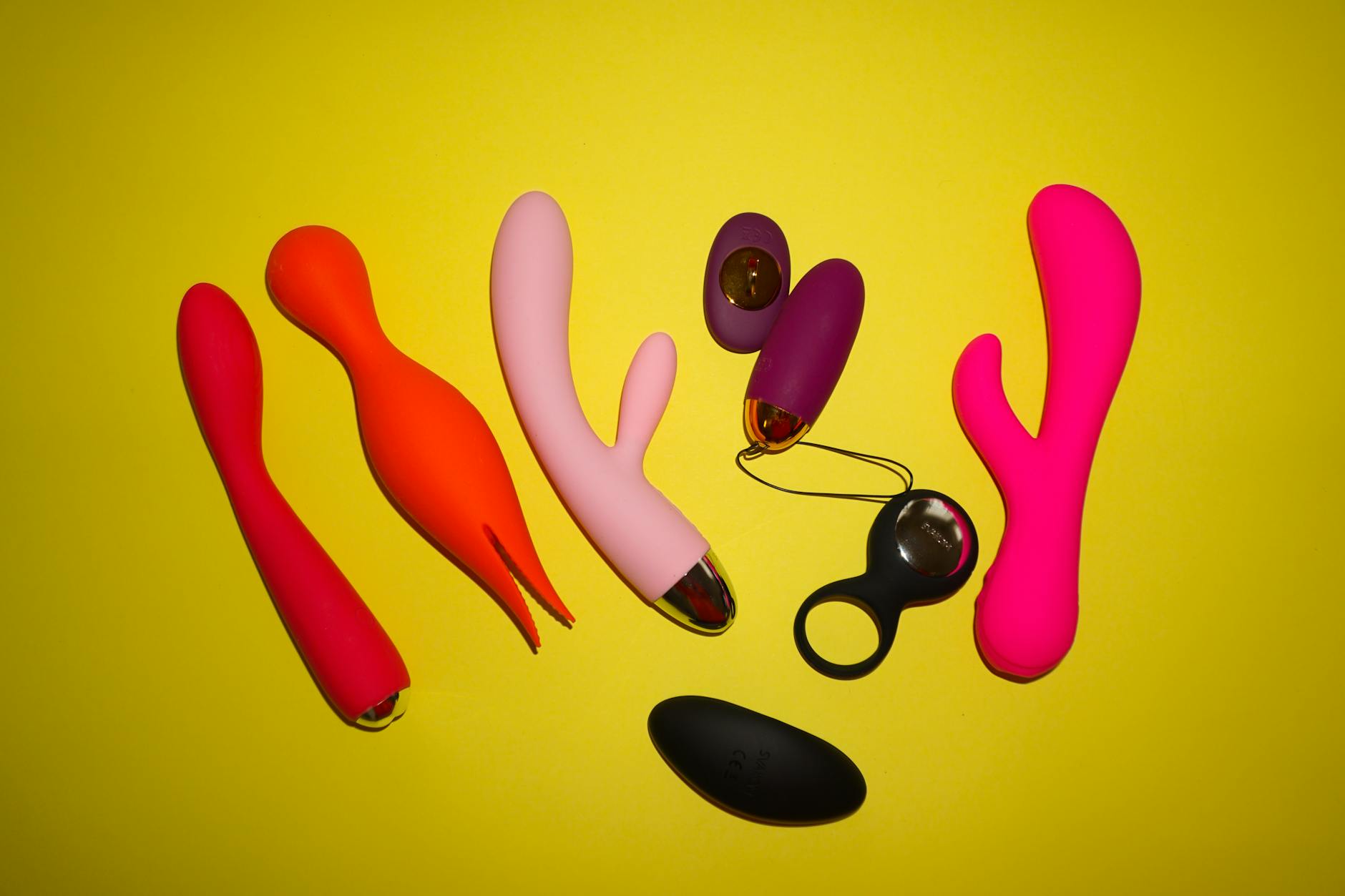
Photo by DRT.fm on Pexels
The texture question (why it matters more than you think)
Silicone toys feel smoother and less porous than plastic or rubber. But smoothness itself isn't automatically better. If you're someone whose sensitivity flares, you might actually prefer toys with slight texture variation because they distribute stimulation less intensely across a single point.
With lemon vibrators, the material is almost always medical-grade silicone, which is the standard. What changes is the shape of the opening. Some designs have a wider mouth, which distributes suction pressure across more tissue. Others have a narrower opening, which concentrates it more.
If your sensitivities swing, start with a vibrator that has a wider stimulation area. You can always apply more pressure or move it around if sensation feels muted. You cannot undo intensity that's too strong.
The intensity slider test (what to actually try before you buy)
The Lem and similar air-pulse clitoral vibrators from The Lem Store come with multiple intensity levels. Here's what's useful to know. On level one, many people report that the sensation feels almost ticklish or unobtrusive. By level three or four, it becomes the main event. Levels in between offer something many traditional vibrators don't. Graduated, subtle intensity that doesn't jump.
When you're deciding whether a lemon vibrator is right for you, the question isn't "Is this powerful enough?" It's "Can I start soft enough and build gradually?" If you can't, it won't work for unpredictable sensitivity.
One practical move. If possible, try a vibrator on the lowest setting in a private setting before committing fully. You can adjust upward. Starting too high and finding out you can't dial it down is the frustrating mistake.
Pattern versus simplicity (which actually matters)
A vibrator with 15 patterns sounds like flexibility. Often it's just noise. When sensitivity is variable, you want something with simple, predictable patterns so you can focus on what your body is telling you right now, not on scrolling options.
Lemon clitoral vibrators typically offer a few core patterns. Steady pulse, gentle wave, building rhythm. That's actually ideal for someone managing multiple sensitivities. You're not distracted by an overwhelming menu. You can move between "steady right now" and "building right now" easily.
Think of it like a good playlist versus shuffle mode. Fewer intentional options often beat unlimited choice when your body is trying to communicate.
Material sensitivities and allergies (the unsexy but critical part)
Beyond sexual sensitivity, some people have actual contact sensitivities to toy materials. Medical-grade silicone is hypoallergenic and non-porous, which means it won't harbor bacteria and rarely triggers reactions. That's why it's the standard.
But even within medical-grade silicone, some people report reactions to dyes or colorants. If you have a history of skin reactivity, look for toys in neutral colors. Natural silicone, clear, or minimal pigment. The Lem Store products are typically available in understated shades for this exact reason.
If you're unsure whether you'll react to silicone, test on a small patch of inner arm or chest first. Not sexy, but neither is an allergic reaction.
The warm-up and environment piece (often overlooked)
Sensitivity is not only biological. Your nervous system state affects how you feel stimulation. High stress, anxiety, or distraction can make touch feel overwhelming even on days your baseline is usually low. Conversely, relaxation and genuine desire can make muted sensation come alive.
Before blaming the toy, examine the setup. Do you have privacy? Time without interruption? Have you warmed up your body through touch before introducing the vibrator? Are you actually interested in what you're doing or just going through the motions?
When you're choosing a vibrator for variable sensitivity, you're not just choosing a device. You're choosing something that will work within a whole context. The vibrator is the tool. The environment and your state of mind are the actual foundation.
Photo by Vanessa Loring on Pexels
How to actually test before committing
Read reviews from people with sensory variability, not just from people seeking maximum power. Look for language like "starts gentle" or "good for sensitive days" or "works on low setting." That tells you something. Reviews that only mention high settings are less useful for your situation.
If possible, buy from a vendor with a straightforward return policy. The Lem Store offers guidance that acknowledges this complexity. You're not committing to something forever on purchase.
Ask yourself. Can I start this on the lowest setting? Can I adjust without overwhelming changes between levels? Does the width of the stimulation area match what I know about my body? If the answer to all three is yes or "probably," you've likely found a good match.
When to swap vibrators (you're allowed to have more than one)
Here's something nobody talks about. You don't have to choose one vibrator forever. People with unpredictable sensitivity often find that having two or three tools in rotation actually makes sense. One might be broader and subtler for sensitive days. Another might have a narrower opening for times when you want more focused pressure.
The cost question is legitimate. But if you can make it work, variety in your drawer is actually a smart response to variable sensation, not a sign of excess.
Navigating this with a partner (when relevant)
If you're using a lemon vibrator with someone else, the conversation matters. Your sensitivity shifting isn't a reflection on your partner or your desire. It's just how your body works. Partners who understand this can actually help by asking, "What are you needing today?" instead of assuming yesterday's preference applies to today.
When you're choosing a vibrator together or introducing one to a partner hesitant about toys, pick something that works on subtle settings first. Once they see that it's not about replacing them but about giving you tools to enjoy yourself more fully, the resistance usually softens. How to introduce a lemon vibrator when your partner is hesitant about toys walks through that conversation in detail.
The post-purchase reality
You picked a vibrator based on reasonable criteria. You bring it into your body's actual world. Surprise. It feels different than you expected. That's not failure. That's information. Many people find that the first few uses with any new vibrator feel awkward or off. Your body needs time to learn what you're doing.
Give yourself a few actual sessions (not research sessions, actual sessions) before deciding whether it works. Sensitivity patterns sometimes need a few uses to feel natural. If after three or four genuine attempts something still feels wrong, you have permission to try something different.
FAQ
How do I know if I have variable sensitivity versus low sensitivity?
Variable sensitivity means the same stimulation feels completely different depending on the day, your stress level, your cycle, or other factors. Low sensitivity means stimulation consistently feels muted. These are different problems. Variable sensitivity responds better to graduated intensity and flexibility. Low sensitivity sometimes needs higher overall power. If you're truly unsure, that's worth a quick conversation with your doctor or sexual health therapist.
Can a lemon clitoral vibrator actually adapt to multiple sensitivities?
Partially. The graduated intensity levels and broader stimulation area do provide more flexibility than a traditional bullet. But no single vibrator will be perfect across all your sensitivity states. What a good lemon vibrator does is start gentle enough and offer enough control that you can adjust within the moment.
What if the vibrator I choose still feels wrong?
Try adjusting how you use it before giving up. Angle, pressure, distance from direct contact, whether you're using it through underwear or directly. Small shifts sometimes unlock what you're looking for. If after genuine experimentation it truly doesn't work, the return policy exists for this reason.
Is silicone really safe for people with sensitive skin?
Medical-grade silicone is hypoallergenic and non-porous, which makes it one of the safest toy materials available. That said, if you have severe skin sensitivities or a history of silicone reactions elsewhere, test on a small area first or consult your dermatologist before internal use.
Should I tell my doctor about variable sexual sensitivity?
Yes, if it's new or worsening and affecting your quality of life. Medication changes, hormonal shifts, pelvic floor tension, and anxiety can all affect sensation variability. Your doctor can help identify whether something specific is driving the changes.
How do I know if a pattern is too intense even on the lowest setting?
Your body will tell you through discomfort, numbness, or that overstimulated feeling where touch becomes painful rather than pleasurable. If the lowest setting triggers any of that, the vibrator isn't the right fit for you. Trust that feedback. There are other options.
The bottom line
Choosing a lemon vibrator when your sensitivity shifts is about picking something that starts soft, offers control, and doesn't force you into a fixed intensity path. It's less about finding the perfect toy and more about finding one adaptable enough to grow with you as your body changes. That flexibility is often what makes all the difference.
Ready to explore options? How lemon clitoral vibrators work for different body types and sensitivity levels goes deeper into the mechanics if you want more detail before choosing. Or if you're ready to talk through what might work for your specific situation, reach out.