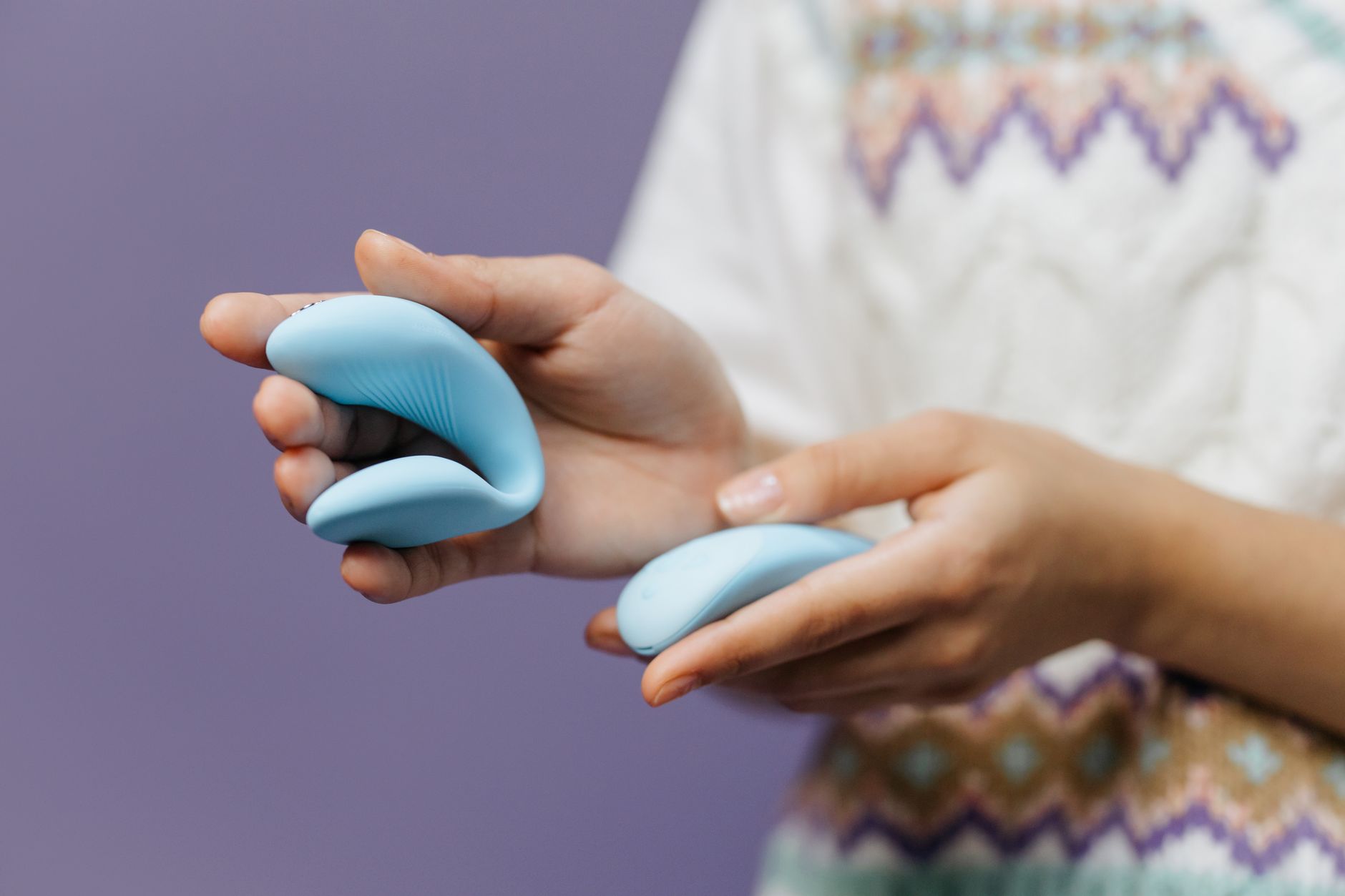
Here's the thing about low libido
You don't feel like sex. That part is real. But here's what often gets missed: not feeling desire doesn't mean your body can't experience pleasure. Those are two separate systems, and a lemon vibrator speaks directly to one of them regardless of where the other one is.
Most of the advice you've heard about low libido centers on desire, connection, or foreplay. That's useful. But it leaves out an entire category of people who are thinking, "I don't want sex, but I also miss feeling good in my body." That's a legitimate gap, and it's why clitoral vibrators matter specifically for low libido.
This is the angle nobody talks about: you can rebuild your relationship with pleasure without forcing yourself to "get in the mood" first.
Why low libido and arousal aren't the same thing
Libido is your drive to seek sex. Arousal is your body's physical response when stimulation happens. They're connected, sure, but they can absolutely split apart.
Low libido can come from a lot of places. Medication (especially SSRIs), hormonal birth control, stress, depression, relationship dynamics, past trauma, or just the weight of living. When any of those things is active, your brain isn't sending the "I want sex" signal.
But your nerves are still there. Your clitoris still has 8,000 nerve endings. Your body can still respond to the right kind of touch. The gap isn't in your capacity for pleasure. It's in the bridge between "I should probably want this" and "My body is actually feeling it."
A lemon clitoral vibrator bypasses that gap entirely. It doesn't require you to be in the mood. It doesn't require desire to exist first. It just applies consistent, focused stimulation to sensitive tissue, and your nervous system responds.
What happens when you use a lemon vibrator with low libido
When desire is low, your body typically needs more direct, consistent stimulation to trigger arousal. A standard vibrator can work, but it often requires you to be actively chasing the sensation. You have to generate the momentum.
The Lem is different. The suction mechanism doesn't require friction the way a regular vibrator does. It creates a gentle pulling sensation that builds gradually. You don't have to do anything except stay present.
For people with flat libido, that distinction is massive. You're not performing arousal. You're receiving it. Your only job is to notice what your body is doing.
Many of my clients report that this shift, from "making myself feel something" to "noticing what's already happening," is what actually wakes up their desire later. It's counterintuitive. You don't rebuild sex drive by forcing sex. You rebuild it by remembering what pleasure feels like when there's no pressure attached.
Starting from a place where you don't want sex
Here's the protocol I recommend:
Set a low bar for the first session. Not "I'm going to orgasm" but "I'm going to notice what my body does for 15 minutes." That's it. No outcome required.
Choose a time when you're physically alone and not stressed about timing. Libido thrives on lack of pressure. If you're timing it around a partner's schedule or trying to squeeze it into a busy day, your nervous system already knows the stakes are high. Flatten the stakes.
Start on the lowest setting. A lemon suction vibrator at level 1 is gentler than you'd expect. Let your body acclimate. You're not chasing sensation right now; you're letting it approach you.
Use lube, always. Especially if you haven't been aroused in a while. Your body may not self-lubricate the way it does when desire is present. Water-based lube removes the friction that can register as uncomfortable instead of pleasurable.
Breathe through any weirdness. The first time using a lemon vibrator when you're not already turned on can feel disorienting. That's normal. Stay with it. Thirty seconds often feels awkward. Three minutes usually shifts to interesting. Ten minutes can surprise you.
Why clitoral vibrators work when medication is involved
If your low libido is medication-related (SSRIs are the most common culprit), a lemon vibrator becomes even more valuable because it's not fighting your neurochemistry. It's working around it.
SSRIs numb sensation partly by blunting dopamine and partly by blunting physical responsiveness. A lemon clitoral vibrator doesn't care about your dopamine. It applies direct stimulation to tissue that responds to touch regardless of your chemical state. For a lot of people, that's the only way orgasm happens while on antidepressants.
I've had clients report that using a lemon vibrator regularly, even when they don't feel desire, actually helps them reconnect with their baseline pleasure capacity. It's like maintaining the pathway even when traffic isn't flowing. Eventually, when circumstances shift (medication changes, stress drops, relationship improves), the pathway is still there.
When low libido meets relationship pressure
Here's something that gets tangled up: sometimes low libido isn't physiological at all. It's relational. You don't want sex because sex has become a source of tension or obligation in your relationship.
If that's your situation, a lemon vibrator becomes a solo practice, not a performance. It gives you a way to access pleasure that isn't about your partner, their expectations, or your fear of disappointing them.
That solo capacity often allows desire to return organically. Once you remember that your body can feel good without external pressure, and that pleasure is available to you independently, the defensive part of your libido can relax. You might actually want sex again. Or you might not. But either way, you're choosing from a place of agency instead of obligation.
The rebuilt desire pipeline
Low libido that shifts usually doesn't come roaring back all at once. It typically rebuilds in stages. First, you stop feeling numb (that's the vibrator working). Then you start noticing sensation again (that's your nervous system waking up). Then you start feeling pleasure without an external tool (that's capacity returning). Then, sometimes, desire follows.
Not always in that order. Not always all of it. But when people stick with the lemon vibrator practice for a few weeks, something shifts. They report feeling more in their body overall, not just during the sessions. Their partner often notices it. Energy changes.
The key is consistency without pressure. Using a lemon clitoral vibrator three times a week for ten minutes is better than using it once a month while forcing yourself into "I should be in the mood." The repetition is what rewires your nervous system's capacity to respond.
When to check in with your doctor
If your low libido is medication-related, it's worth asking your prescriber about timing adjustments or dose changes. Sometimes a small shift helps. Sometimes it doesn't.
If depression, anxiety, or relationship issues are the root, therapy (solo or couples) matters. A lemon vibrator is a tool for rekindling physical pleasure; it's not a fix for deeper issues. But it's often the thing that gives people permission to address those deeper issues because they remember that their body is supposed to feel good.
If low libido arrived with hormonal changes, a gynecologist or menopause specialist can help you understand what's happening physiologically. That context helps a lot.
The real shift
Low libido makes you feel broken. Using a lemon vibrator when desire is flat reminds you that you're not. Your body still works. It still responds. It's still capable of pleasure. Sometimes we just need the right conditions and the right tool to remember that.
Start small. Show up consistently. Let your body surprise you. That's how pleasure comes back.
People Also Ask
Can a lemon vibrator work if I'm on antidepressants and have no libido?
Absolutely. SSRI medications numb sensation, but they don't eliminate it. A lemon clitoral vibrator applies direct stimulation that bypasses some of that neurochemical dampening. Many people find they can reach orgasm with a vibrator when they can't through partnered sex alone. The key is consistent use and low pressure about outcome. You're retraining your nervous system to recognize pleasure, not forcing desire to return.
How long does it take to feel something if my libido is really low?
First session: probably 5 to 10 minutes before you notice distinct sensation. First week: usually by session three, you'll feel anticipation building. First month: most people report a noticeable shift in their baseline capacity to feel, both during and outside vibrator use. Low libido didn't appear overnight, and it doesn't disappear that way either. The rebuilding is gradual, which is actually good because your nervous system gets time to adjust.
Should I use a lemon vibrator alone or with a partner if my libido is low?
Start alone. No audience, no performance pressure, no fear of disappointing someone else. Once you've had a few solo sessions and remember what pleasure feels like in your own body, partnered use becomes a choice, not an obligation. Some people find that rediscovering solo pleasure actually helps them want partnered sex again. Others discover they prefer solo. Either way, you're deciding from a place of agency.
What if nothing happens when I use a lemon vibrator and my libido is very low?
Try the opposite of what your brain wants to do: instead of pushing harder or longer, go shorter and gentler. Five minutes at level one with lube is better than fifteen minutes at level three feeling frustrated. Your nervous system needs permission to be slow about this. Also, make sure you're using enough lube, starting in a relaxed setting, and not checking in with yourself constantly ("Am I feeling it yet?" actually blocks sensation). Sometimes three sessions in, something clicks. Stick with it.
Can a lemon vibrator help if my low libido is relationship-based?
Yes, but indirectly. If your libido has dropped because sex feels like an obligation or a source of conflict, a lemon vibrator used solo can remind you that your body is still capable of pleasure outside that dynamic. That often takes the pressure off the relationship situation itself. Some couples then reconnect. Some people discover they need a different relationship. Either way, the vibrator gives you back a sense of your own pleasure independent of partnership, and that's the foundation for anything else.
How is a lemon suction vibrator different from a regular vibrator for low libido?
Regular vibrators typically need you to chase the sensation; you have to move or apply pressure consistently. A lemon clitoral vibrator uses suction, which creates a pulling sensation that works more passively. For low libido, that passive element matters because you're not generating the momentum. The device is. You're just noticing. That shift from "I have to make this work" to "I can receive this" is often what allows pleasure to register when desire is flat.