Let's talk about the thing no one mentions
You just pushed a human out of your body, your breasts are doing something miraculous, your sleep is fractured, and somewhere in the chaos, you're wondering if pleasure is even possible right now. It is. And using a lemon vibrator or other clitoral toy during lactation is not only safe—it's genuinely worthwhile.
The guilt is real. The confusion is real. The practical barriers are real. But the idea that you have to put your pleasure on pause for six months or a year? That's the myth we need to demolish.
What actually happens to your body during lactation
Lactation changes three things about sexual pleasure: hormones, sensation, and logistics.
Prolactin is elevated during breastfeeding. This hormone naturally dampens some aspects of arousal and can lower libido. Estrogen also stays lower if you're exclusively breastfeeding. These shifts are real and they matter. Many people report that their usual pleasure responses feel muted, slower to build, or just absent. That's not broken. That's biology managing two massive jobs at once.
But here's what doesn't change: your clitoris works exactly the same way. The nerve pathways are intact. The capacity for orgasm is there. What's different is the energy available to access it. You're also likely touched out from nursing, which means your nervous system needs different kinds of stimulation than it did before.
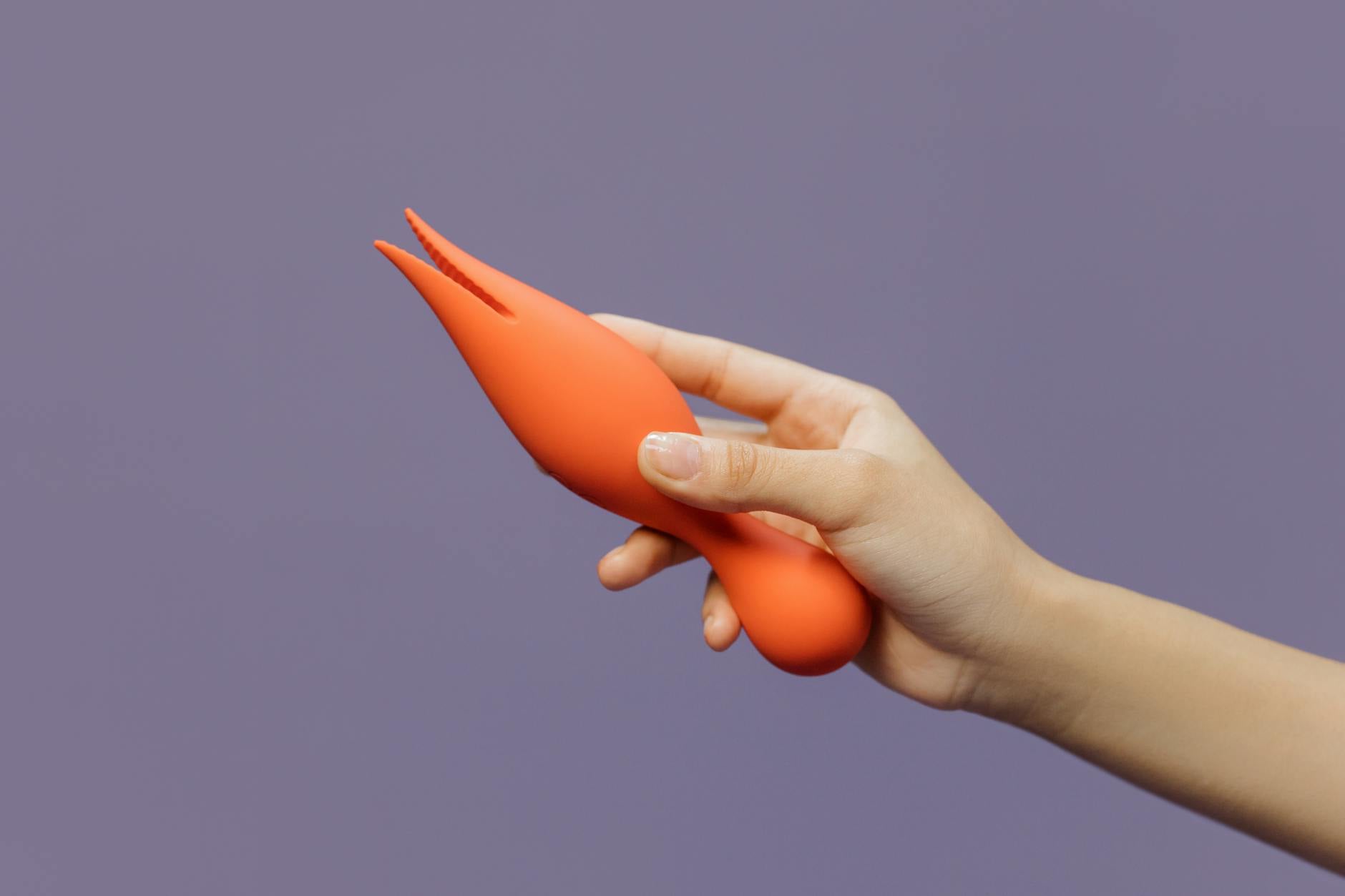
One often-overlooked shift: breast sensation during this period can feel overwhelming. Milk letdown happens unexpectedly. Touch that feels good one moment can trigger discomfort the next. This is where clitoral vibrators like the Lem actually solve a real problem. You get direct, controllable stimulation without needing to involve your breasts at all.
The safety question (spoiler: it's safer than you think)
Here's what the literature actually says: orgasms during lactation don't harm milk supply. Contractions during orgasm don't damage breastfeeding. Vibration doesn't affect prolactin or your baby's nutrition. There's no mechanism by which your clitoral vibrator could compromise lactation.
The most rigorous research on sexual activity during breastfeeding comes out of the Journal of Sexual Medicine and consistently finds that arousal and orgasm have zero negative impact on nursing.
One practical thing to know: some people experience milk letdown during arousal or orgasm. This is purely hormonal (oxytocin does its job) and completely harmless, but if it happens, keeping a towel nearby makes cleanup easier. Consider keeping nursing pads on if that feels less disruptive to you than changing clothes mid-session.
If you're on any medication, check with your doctor, but most postpartum medications are compatible with vibrator use. The only real constraint is your own energy and comfort.
Why sensation might feel different (and what helps)
Touched-out is a real phenomenon. When you're nursing on demand, another human is literally attached to your body for hours a day. By evening, the thought of more touch, even pleasurable touch, can feel like too much.
This is where intensity levels and speed matter more than usual. Start with the lowest setting on your lemon vibrator or other clitoral sucker toy. Many people find that sustained, gentle suction works better than the pattern-switching that felt amazing prepregnancy. You need reliable, uncomplicated stimulation.
Timing also matters differently. Mid-morning, after the first feeding rush has settled, often feels better than evenings. You might also find that pleasure comes from quicker sessions rather than extended exploration. Twenty minutes of focused attention beats two hours of pressure.
LubricationChanges too. Breastfeeding hormones lower estrogen, which means less vaginal lubrication. Water-based lube becomes essential, even if you never needed it before. It's not a sign something's wrong. It's just the postpartum landscape.
How to actually use a lemon vibrator during this season
Start when you have five uninterrupted minutes. Not because that's optimal, but because that's realistic. Consistency matters more than duration.
Position yourself somewhere comfortable that isn't the bed you share with a partner if possible. You might have less capacity to shift into a collaborative headspace, and that's fine. Solo pleasure during this phase is often simpler and less pressured.
Use the lowest vibration setting. Build up only if you want to. You're not training for intensity. You're reconnecting with sensation when it's hard to access.
Keep water nearby. Hydration matters more postpartum, and arousal actually increases this need slightly.
If milk letdown happens, laugh about it. Your body is doing two productive things at once. That's not malfunction. That's capacity.
When to recalibrate with a partner
If you share a bed with someone, this might feel like a conversation that's impossible to have. Try anyway.
The conversation isn't "I want to have sex." It's "I need to reconnect with my body in a way that feels low-pressure and on my terms." These are different things.
Your partner doesn't need to be involved in your use of a lemon vibrator. This can be entirely your own ritual. But if your relationship usually includes shared sexual connection, it's worth naming that you're rebuilding it differently right now. Not paused. Just reconfigured.
Some partners find it sexy to know you're prioritizing your own pleasure. Some feel confused or excluded. Both feelings are valid. The goal is talking about it before resentment hardens.
The dopamine angle people miss
Honestly? One of the bigger reasons to use clitoral vibrators during lactation isn't purely about sexual pleasure. It's about dopamine and your baseline mood.
Postpartum anxiety and mild depression are common. They're also undertreated because most of the focus goes on postpartum depression. One small, evidence-backed thing that helps regulate mood is sexual pleasure. Orgasms don't cure depression. They don't replace therapy or medication if you need it. But they do shift your nervous system state.
If you're struggling with mood, using your lemon vibrator or another clitoral toy once or twice a week isn't selfish. It's basic maintenance. You deserve that.
FAQ: Lactation and pleasure
Is milk letdown during orgasm normal?
Completely normal. Oxytocin triggers both milk letdown and uterine contractions during orgasm. If it happens, it's a sign your body is working as designed. Some people find it distracting, others don't notice. Nursing pads or a towel solve the logistics.
Can my partner help, or should I only use a vibrator alone?
Both are fine. Some people find partner involvement adds pressure when they're already touched out. Others find connection feels grounding. There's no "should." Go with what feels manageable to your nervous system right now. A lemon vibrator gives you solo control without needing anything from anyone else, which many people prefer during this phase.
Will using a vibrator affect my milk supply?
No. Orgasm and arousal don't change prolactin levels or milk composition. Your milk supply is affected by how often your baby feeds and how effectively they transfer milk, not by your sexual pleasure.
Should I be worried about bacteria or infections from vibrators while breastfeeding?
Standard vibrator hygiene applies during lactation, same as any other time. Clean your toy before and after use. If you have any breast tissue inflammation or infection, check with your doctor before anything comes in contact with that area. Otherwise, your clitoral vibrator is completely separate from your milk production system.
Can breastfeeding hormones make pleasure feel impossible?
They can make it feel harder to access. Prolactin naturally decreases arousal. But "harder" isn't "impossible." Lower expectations, longer warm-up time, and gentler stimulation usually work. If pleasure has completely flatlined and feels distressing, that's worth a conversation with your doctor. It could be a hormone imbalance or a symptom of postpartum depression.
When should I expect pleasure to feel "normal" again?
There's no set timeline. Some people feel shifts around six months postpartum. Others don't feel like themselves until weaning. Some find pleasure completely changes after a baby, and that becomes their new normal. Your body isn't broken during this phase. It's just working with different inputs. Patience with that process matters more than speed.
The bigger picture
You've been told that postpartum means putting yourself last. You've been told that the next 18 months belong entirely to someone else. You've been told that pleasure isn't a priority.
None of that is true.
Using a lemon vibrator or another clitoral toy during lactation isn't selfish. It's not inappropriate. It's not unsafe. It's you maintaining basic access to your own body and your own nervous system during a season when everything else is being extracted from you.
Your pleasure matters. Your connection to your body matters. The fact that you're lactating doesn't change that. If anything, it makes it more important.
If you're ready to explore this season of your sexuality with intention and without pressure, start small. Start alone. Use the lowest setting. Give yourself permission to have five-minute sessions that feel good instead of waiting for ideal conditions that won't come for months.
Your body is doing something remarkable. You're allowed to enjoy what it can do, exactly as it is right now.
Have more questions about pleasure postpartum? We're here to help. Reach out to our team for judgment-free support on anything related to your sexual wellness.
Related reading
If you're navigating other postpartum pleasure questions, you might find these helpful: How to Use a Lemon Vibrator When You Have Low Sensation After Childbirth and Why Lemon Vibrators Feel Better After Stopping Hormonal Birth Control.