The thing no one tells you about post-divorce pleasure
Divorce doesn't just end a marriage. It ends a story you were telling yourself about desire, touch, and what your body is supposed to feel. That loss sits somewhere between grief and liberation, and it makes sense that pleasure feels weird right now.
You might feel guilty about wanting it. Embarrassed that you're starting over. Disconnected from a body that's suddenly yours alone. Or weirdly defiant about reclaiming pleasure as an act of self-care, which is great until you're alone at 11 p.m. and the guilt kicks in. These feelings aren't flaws. They're the normal friction between the person you were in a marriage and the person you're becoming.
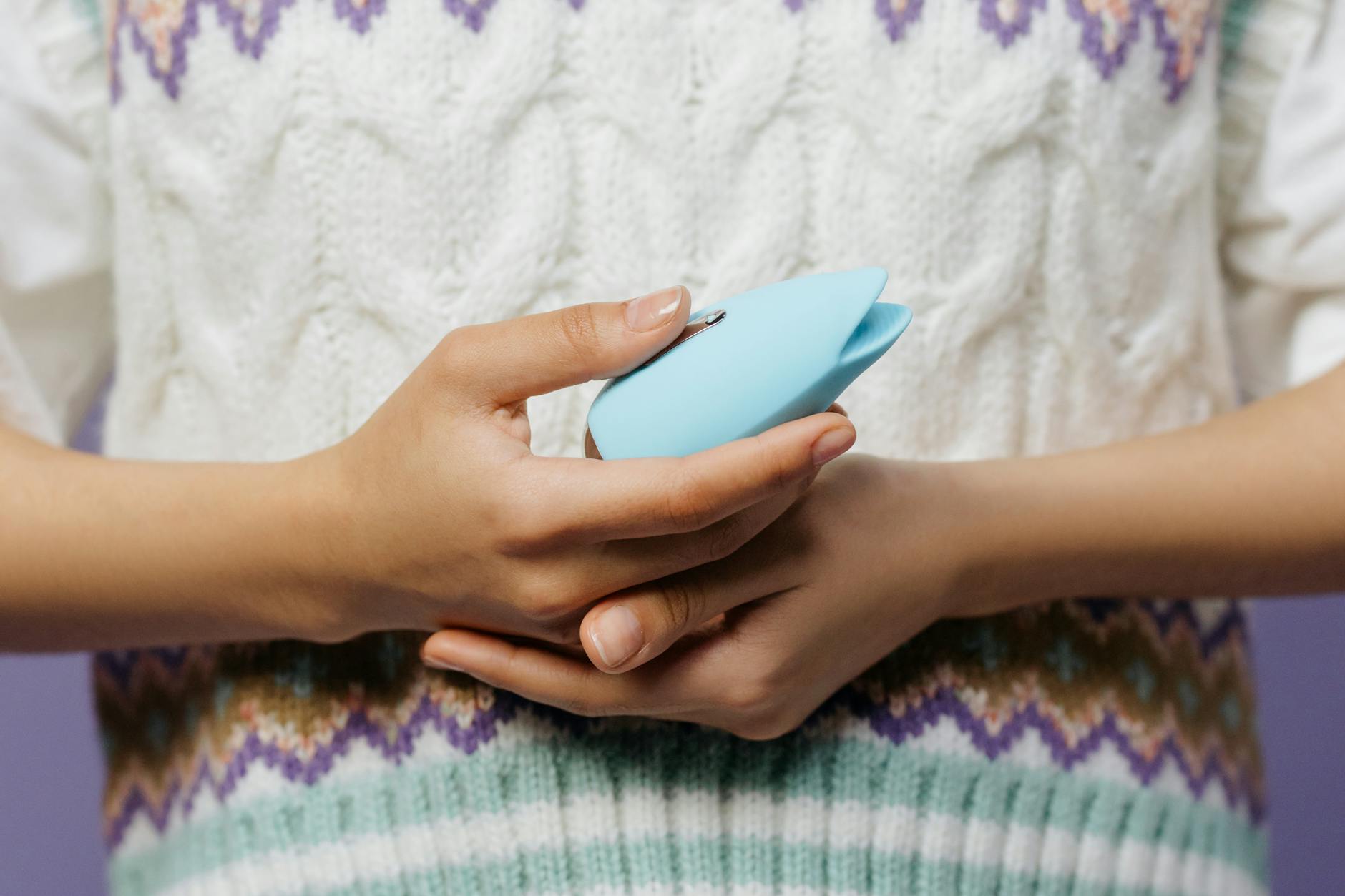
A lemon clitoral vibrator can help rewire that relationship. But only if you approach it without the pressure to feel a certain way.
Why post-divorce pleasure feels awkward
During a marriage, sex (or the absence of it) becomes entangled with partnership dynamics, compromise, and someone else's needs. Your pleasure stops being purely yours. It becomes negotiated, scheduled, or worse, a source of tension. That's true whether the sex was great or terrible. Your body learned to anticipate, perform, or protect.
Divorce severs that dynamic abruptly. Suddenly, pleasure is your choice again. And that freedom can feel destabilizing.
There's also the logistical shame: you're older, you might have kids in the house, you feel like you shouldn't be thinking about this right now. You're supposed to be healing, not buying a lemon sexual toy. Except healing includes reclaiming your own desire. Those two things aren't in conflict. They're the same thing.
The other piece is simpler: you've forgotten what your body wants when no one else is watching. Solo pleasure, after years of coupledom, feels unfamiliar. A little foreign. That's completely normal.
What makes lemon vibrators different for this transition
When you're rebuilding a relationship with your own pleasure, you need a tool that doesn't require you to perform or achieve anything. Most vibrators demand intensity and build. A lemon sucker works differently.
The suction stimulates without friction. It's gentler on tissue that's maybe been through hormonal shifts or years of inconsistent arousal. And psychologically, it feels less goal-oriented. You're not climaxing to a finish line. You're exploring sensation, which is exactly what you need right now.
If you've been avoiding your own body post-divorce, a lemon clitoral vibrator removes some of the psychological barriers. It's not about proving you can still have orgasms. It's about meeting yourself where you are.
Starting small, with zero expectations
Honestly, the hardest part isn't using the tool. It's giving yourself permission to try.
Start by doing this when you have genuine privacy and time. Not rushed. Not squeezed into 15 minutes before you need to pick up kids or check work email. You're retraining your nervous system to believe that your pleasure matters. That takes spaciousness.
Keep the lemon vibrator somewhere accessible but private. On your nightstand is fine. In a drawer works too. The point is that it's not a secret shame object hidden in a closet. It's a tool you own, like your toothbrush. This matters psychologically.
On the first few times, don't set a goal for orgasm. Just use it. Start on the lowest setting. Get familiar with how it feels. Your body has been conditioned to either perform or shut down for years. It needs to remember that sensation without stakes can be pleasurable.
The actual mechanics (no shame required)
There are a few practical things that make this easier:
Use it during foreplay with yourself, not as the main event. Spend time touching yourself first. The clitoral vibrator is a tool to deepen sensation, not the whole experience. This reframes it as part of a larger reconnection, not a replacement for intimacy.
Water-based lubricant is your friend. Not because anything is wrong with your body, but because lube changes the sensation. It reduces friction and often makes the suction feel more comfortable. It's also a way of saying to yourself: "I deserve comfort here."
Start with the lowest intensity. Lemon vibrators have multiple settings. You might not need the highest one right now. Lower intensity gives you room to explore without overwhelming yourself.
Set a loose time frame, then let it go. Tell yourself you'll spend 15 or 20 minutes. Then let the clock disappear. You're not trying to finish by a certain time. You're practicing presence.
Managing the guilt and shame
The weirdest part of using a lemon adult toy post-divorce is the voice that says: "You shouldn't want this. You should be focused on healing. Your kids might find it. You're supposed to be sad, not horny."
That voice is lying.
Sexual pleasure and emotional healing are not opposed. Your desire isn't a distraction from recovery. It's part of it. You're reclaiming a part of yourself that got lost in compromise. That's the definition of healing.
If you're worried about your kids finding it, keep it in a locked drawer or a toiletry bag in your bedroom. Problem solved. If you feel guilty about wanting pleasure, sit with that guilt for 30 seconds, then use the vibrator anyway. Guilt is just an old belief. It doesn't mean you're doing anything wrong.
When to check in with yourself
If using a lemon vibrator brings up sadness or anger, that's information, not a sign you should stop. Those emotions are connected to your body's history. Let them move through. You might find that touching yourself gently while using a vibrator actually helps you process grief that got stuck.
If you're using it compulsively to numb difficult feelings, that's different. Check in with a therapist. The tool isn't the issue. The pattern is.
If pleasure still doesn't feel accessible after a few weeks, that's also worth noting. Sometimes hormonal shifts, medication, or deeper anxiety around touch needs professional support. How to use a lemon vibrator when you feel numb or disconnected during sex goes deeper into that territory.
Rebuilding pleasure as an identity
Here's what I've seen happen with people who use a lemon clitoral vibrator consistently after divorce: they stop calling it a "solo pleasure tool" and start calling it part of their sex life. Which sounds subtle but matters.
You're not "still single, so I'm using a vibrator." You're building a sexuality that includes yourself. That's the whole foundation of a healthier future, whether you end up partnered again or not. When you know yourself as a person with desire, with specific preferences, with a body that responds and matters, you either attract better partners or you're genuinely happy alone. Both outcomes beat staying disconnected from your own pleasure.
Start small. Give yourself grace. Use a lemon vibrator because it feels good, not because you're supposed to have healed by now.
FAQ
Is it normal to feel guilty using a vibrator after divorce?
Completely. Your body is untangling from years of partnership dynamics. Guilt is just an old belief system checking in. It doesn't mean you're doing anything wrong. Guilt fades with practice and permission.
How often should I use a lemon vibrator while I'm rebuilding?
There's no "should." If it feels good and you have time, great. Once a week, once a month, multiple times a week. Listen to your body. The goal isn't frequency. It's consistency enough to rebuild trust with yourself.
Can using a lemon clitoral vibrator help with low libido after divorce?
Often, yes. But low libido post-divorce can have multiple causes: grief, stress, hormonal changes, medication, or just the nervous system being dysregulated. A vibrator is a tool for sensation, but if desire is completely absent, check in with a doctor or therapist. Sometimes you need support beyond the physical.
What if I'm embarrassed to buy a lemon vibrator?
The Lem Store ships discreetly in unmarked packaging. You can also order online and have it arrive at your home, where you control when you open it. No one needs to know. And honestly, buying something for your own pleasure post-divorce is an act of radical self-respect. You're worth that small step.
Is a lemon sucker different from other vibrators for this situation?
Yes. The suction technology feels gentler and less goal-oriented than traditional vibrators. It's less about achieving orgasm and more about exploring sensation. That psychological difference matters when you're rebuilding a relationship with pleasure that doesn't involve performance.
How do I talk to a new partner about using a lemon vibrator?
If that moment comes, it's simple: "I use this as part of how I explore my own pleasure." A secure partner sees that as a strength, not a threat. It means you know yourself. If a partner has a problem with you owning your own pleasure, that's information. How to use a lemon vibrator with a partner when you have different pleasure speeds addresses that dynamic in more depth.