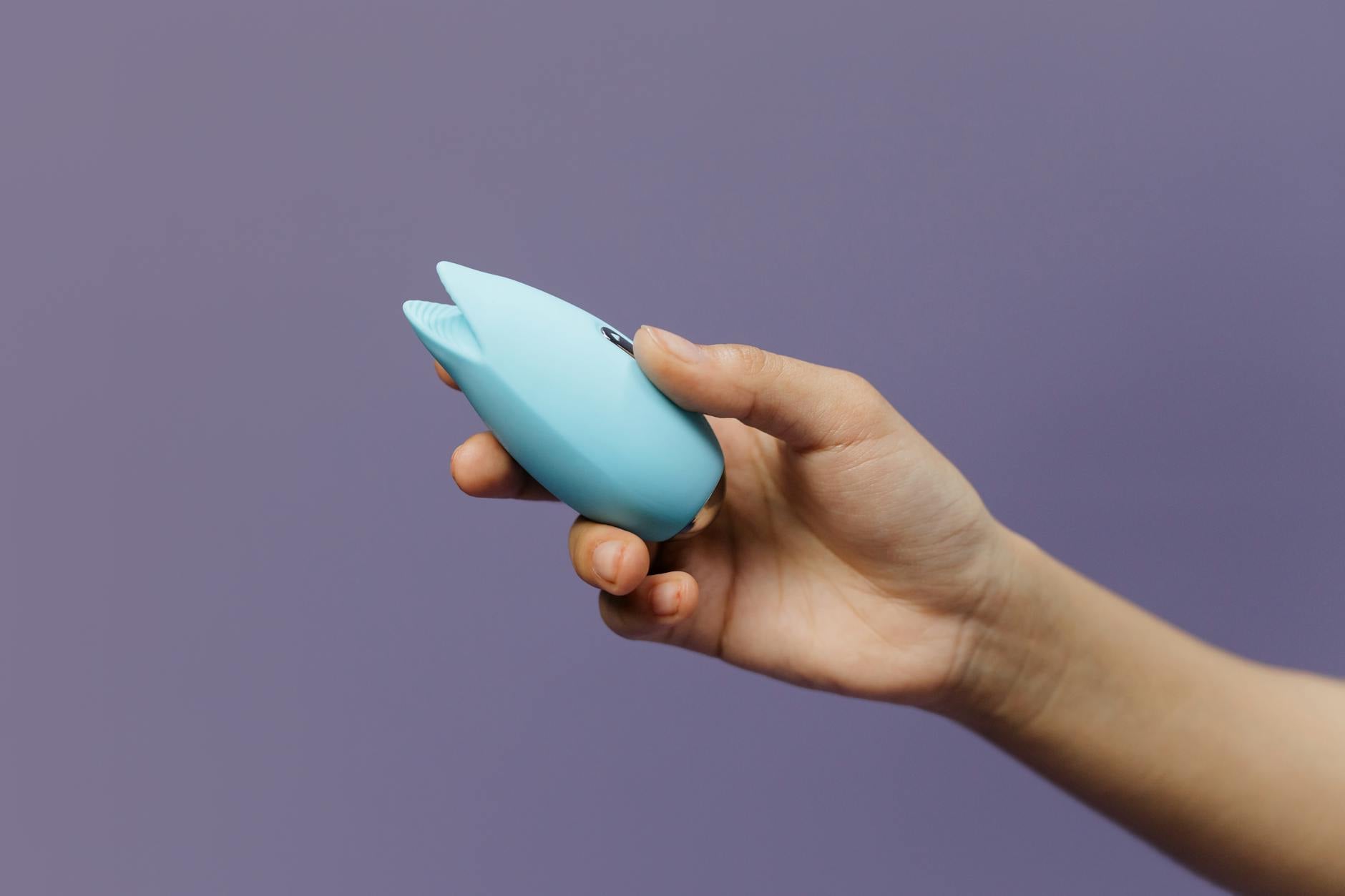
How to Use a Lemon Vibrator Safely When You Have Thin Vaginal Tissue
Thinner tissue doesn't end pleasure. It changes technique. Here's exactly how to adapt a lemon clitoral vibrator so stimulation feels incredible, not uncomfortable.
You don't need thick tissue to have an orgasm. You need the right approach. Thin or delicate vaginal tissue is real, common, and completely compatible with pleasure. What changes is not whether you can enjoy a lemon vibrator. What changes is how you use it.
I work with plenty of people who've been told their tissue is thin. Menopause, hormonal changes, certain medications, even just individual biology. The response is usually panic. "Does this mean toys are off the table?" No. It means you're going to have a smarter conversation with your body.
Thinner epithelial tissue is more delicate. It has less cushioning, which means pressure transfers directly to nerves. That's actually good news for sensation. The problem comes when pressure is too intense, too sudden, or sustained for too long without breaks.
A lemon clitoral vibrator like The Lem works through suction and gentle pulsing, not mechanical vibration. This is already gentler than traditional vibrators. But even gentle tech needs calibration when you're working with delicate tissue.
Think of it this way. A traditional vibrator hammers at a set frequency. A lemon sucker draws gently inward and releases. For thin tissue, that rhythmic release matters. You get stimulation without the constant pressure that can feel raw.
I cannot overstate this. Lubricant is not optional when you're using a lemon vibrator with thin tissue. It's foundational.
Water-based lubrication reduces friction on the tissue itself. Use a generous amount. I mean more than feels natural. Reapply every 5-10 minutes. If you're dry, add more lube. If you feel any catch or drag, add more lube. Tissue that's gliding smoothly over a thin film of lubrication is tissue that won't get irritated.
Skip silicone-based lubes if you're using a silicone toy like The Lem. Silicone lube breaks down the toy's material over time. Stick to water-based, or use a hybrid lube designed for silicone toys (though water-based is simpler and cheaper).
Reusable lube applicators exist if you want to be strategic about placement. Honestly, your fingers work fine. Massage the lube gently over the area. Make this part of the warm-up, not a chore.
The Lem has multiple suction and pattern settings. If you have thin tissue, you're not starting at level 5. You're starting at level 1.
Let's be specific. Begin with the gentlest suction setting and the slowest pulse pattern. Spend 3-5 minutes there. Pay attention to how the sensation feels. Is there any discomfort? Any tugging? Any feeling of too much? If it's fine, you can experiment with moving to level 2.
The goal is not to reach maximum intensity in a single session. The goal is to learn what your tissue tolerates and what actually feels good. Those are often different thresholds, and thin tissue teaches you to respect the difference.
Many people find that the lower settings on a lemon vibrator feel more intense than they expect anyway. Suction creates a concentrated sensation. You don't need cranked-up power to have a powerful orgasm.
This is one of those practices that sounds obvious and almost nobody does it. Take 10-15 minutes before you use the vibrator to get aroused without touching your clitoris directly.
This works for everyone, but it's essential for people with thin tissue. When you're genuinely aroused, blood flow increases to the area, tissues plump slightly, and nerve sensitivity actually becomes more precise. You're not numb. You're responsive.
Touch other parts. Breathe. Think about whatever gets you going. Let your body prime itself. Then, when you introduce the vibrator, you're not trying to create arousal from a cold start. You're building on something that's already happening.
You'll probably notice that your clitoris feels slightly fuller when you're properly aroused. That slight engorgement actually helps distribute the vibrator's pressure more evenly across the tissue.
Thin tissue tolerates stimulation better in intervals than in long continuous sessions. Aim for 15-20 minutes total, with a 2-3 minute break in the middle.
Use that break to breathe, hydrate, reapply lube, or just rest. You're not doing anything wrong if you need to pause. You're listening to your body, which is exactly what you should be doing.
If you feel any discomfort, stop immediately. Discomfort is information. It's telling you to adjust pressure, add more lube, change the angle, or switch to a lower setting. Pain is never part of the plan.
After you finish, wait before showering. Let things settle. If you're going to use any post-sex products (cooling gel, moisturizer, whatever), wait at least 30 minutes so you're not introducing other variables into an area that's still adjusting.
You don't have to use a lemon vibrator the same way every time. Different angles and positions change where pressure concentrates.
Direct contact works for some people with thin tissue. For others, indirect stimulation through the clitoral hood feels better. Try the vibrator over the hood first. See if you prefer that. Then experiment with moving it slightly to the side or adjusting the angle.
Your position matters too. Lying flat distributes sensation differently than lying on your side. Sitting changes the angle completely. Spend a session just experimenting with these variables while using low intensity. You're mapping what your specific tissue prefers.
This is the part where I sound like a boring therapist. But it matters. After using a vibrator, your tissue should feel normal within 30-60 minutes. If you're experiencing rawness, redness, itching, or unusual discharge several hours later, that's information.
Possible causes. The lube you used didn't work for your body. The intensity was too high. You went too long without a break. You didn't use enough lubrication. Or you're having a reaction to the toy material itself (though silicone is hypoallergenic for most people).
If irritation happens, take a break for a few days. Use that time to figure out what was different. Then adjust and try again. You're troubleshooting, not failing.
If your thin tissue is due to hormonal changes like menopause or medication side effects, talk to your doctor about topical estrogen creams or other treatments that actually address the underlying tissue thinning. These are prescription-strength solutions that work at the tissue level, not temporary fixes.
Using a lemon clitoral vibrator while you're also treating tissue thinning is totally fine. The vibrator gives you pleasure while the treatment works. You're not choosing between them. You're doing both.
If you're having consistent discomfort with even the gentlest settings, or if you notice tissue changes that concern you, bring it up with your doctor or gynecologist. Thin tissue isn't a reason to avoid pleasure. It's a reason to get proper support.
A good provider will help you figure out whether there's an underlying condition worth treating (like genitourinary syndrome of menopause) or whether you just need a different technique. Sometimes it's both.
Thin tissue feels things more intensely in some ways. Use that. A lower-intensity lemon sucker gives you profound sensation. You get all the pleasure without any strain. That's not a compromise. That's precision.
Yes, if you adjust your approach. Start at the lowest settings, use abundant lubrication, keep sessions short with breaks, and pay attention to how your body responds. The design of a lemon clitoral vibrator (suction rather than hammering vibration) is actually well-suited to delicate tissue. Many people with diagnosed tissue thinning use them successfully with proper technique.
More than feels intuitive. Cover the area generously and reapply every 5-10 minutes. You should see a visible film of lube. If it starts to feel dry or sticky, add more. Water-based lube dries faster than other types, which is why frequent reapplication matters. Think of lube as the primary protective layer.
Try gentler suction first. If that's still uncomfortable, you might experiment with using the vibrator indirectly, stimulating through the clitoral hood or the outer labia instead of direct contact. You could also try a lower-suction patterned vibrator instead of a lemon sucker. But always run this by your doctor if discomfort persists.
Not necessarily. Thin tissue can actually mean heightened sensation because there's less cushioning between the nerve endings and the surface. People with delicate tissue often report intense sensation. The challenge is managing that intensity, not creating it. Low-intensity stimulation often feels surprisingly powerful.
Absolutely. You might notice that you tolerate higher intensities at certain points in your cycle when tissue has more estrogen support. Adjust accordingly. Some people chart their own preferences across the month. You might find that post-ovulation feels different from the follicular phase. Use that information to plan your approach each time.
Watch for tenderness, rawness, unusual discharge, or irritation lasting more than an hour after use. These are signs to dial back intensity, use more lube, or take longer breaks. One uncomfortable session doesn't mean you're doing something wrong. It means you've found the edge of what works for you right now, and you can adjust.
Thin tissue is not a barrier to pleasure. It's information about how to approach pleasure differently. The Lem Store's lemon vibrators are engineered for sensation with safety. Add smart lubrication, adjust your settings, respect your breaks, and listen closely to what feels good. You'll find a rhythm that works for your specific tissue.
If you have questions about your body or want to explore what techniques might work best for you, reach out. You deserve pleasure that feels both powerful and comfortable.