Let's talk about what's actually happening
Honestly, thin vaginal tissue isn't something people prepare you for. It sneaks up quietly, often alongside menopause, perimenopause, or other hormonal shifts. Estrogen keeps vaginal tissue thick, elastic, and well-lubricated. When estrogen drops, the tissue thins, becomes more fragile, and needs a different approach to stimulation. This doesn't mean you lose pleasure. It means you change the strategy.
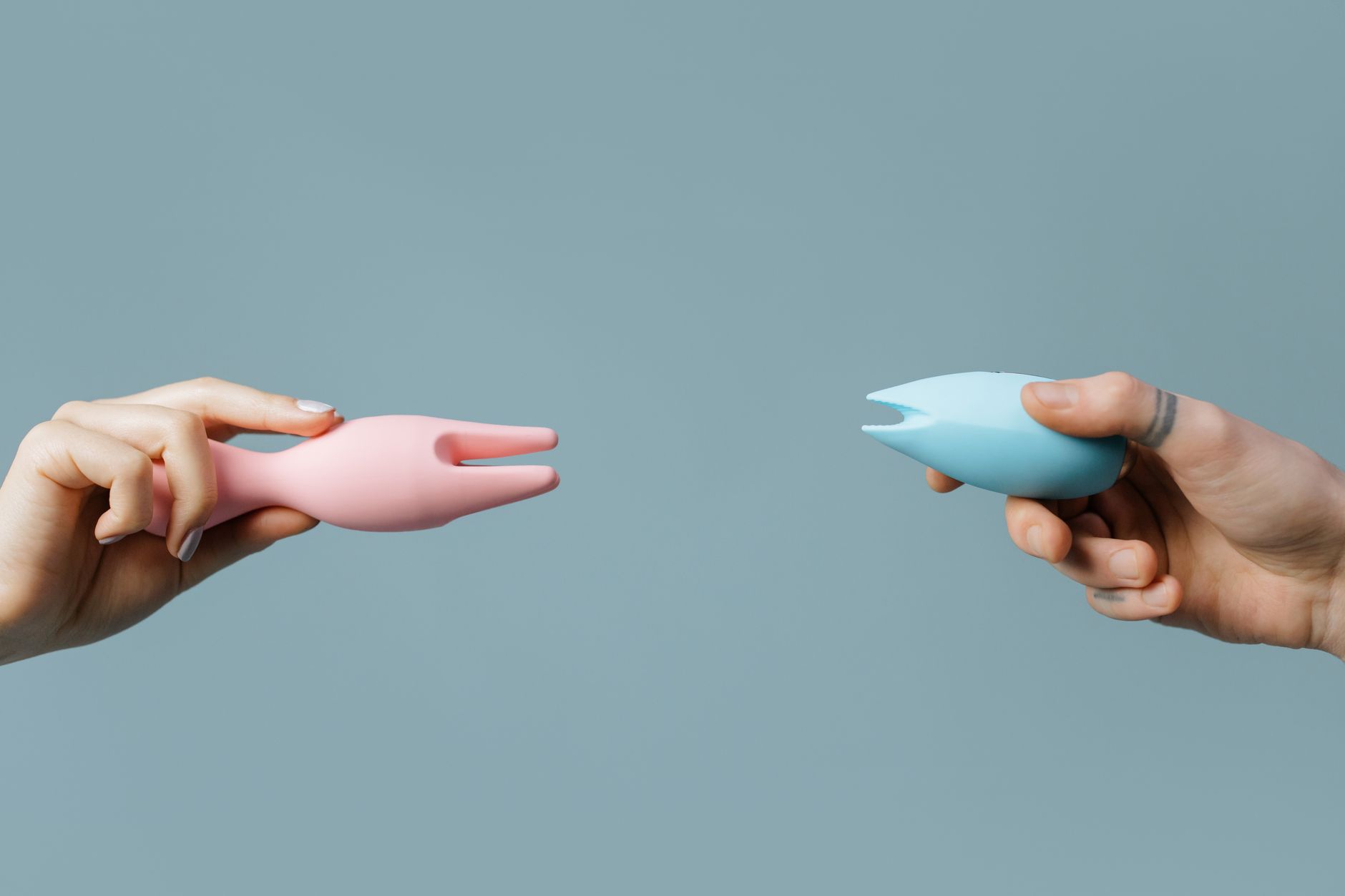
A lemon vibrator (or lem vibrator, as many call it) can actually be ideal for this phase of life because of how the suction mechanism works. But you need to know the adjustments that make the difference between discomfort and genuinely good sensation.
Why thinner tissue changes everything
When tissue is thin, direct friction or intense pressure can feel raw or sore rather than good. That's not weakness on your part. That's biology. The tissue has fewer layers, less natural cushioning, and less elastin. It also heals more slowly if irritated. This is called genitourinary syndrome of menopause (GSM) if it's severe, but plenty of people experience mild thinning without a clinical diagnosis.
The good news: suction-based stimulation like the kind a lemon clitoral vibrator delivers works really well for thin tissue. Suction lifts and massages the tissue rather than rubbing against it. The nerve endings are still there, still responsive. They just need a gentler entry point.
The lubrication non-negotiable
If you're using any clitoral vibrator with thin tissue, lubrication isn't optional. It's foundational. Water-based lube is your best option because it won't degrade silicone toys and it won't interfere with natural healing if the tissue is irritated. Apply generously before you start.
Some people worry lube will numb sensation. The opposite is true. Lubrication reduces friction, which means less irritation and more clarity of sensation. You'll actually feel the suction and movement more distinctly without that underlying drag.
Pro tip: warm the lube slightly between your fingers or in your hands first. Cold lube on sensitive tissue can feel jarring. Room temperature or slightly warm feels much better.
Starting with the lowest settings
Think of your lemon vibrator's intensity settings as a volume dial, not a power requirement. You don't need high intensity to feel something. Start at pattern 1 or 2. Spend 5-10 minutes at that level before you consider adjusting up.
Here's what people get wrong: they think "if I can't feel intensity 5, I should go to 6." Actually, if you can't feel it, go back to 1 and give your body time to warm up. Arousal takes longer with hormonal changes. The sensitivity builds. Rushing to higher intensity skips over the sweet spots where actual pleasure lives.
Many people find that intensity 2 or 3 becomes their favorite once they're fully aroused. It's enough sensation to create that building pleasure without any underlying irritation.
Positioning and angle matter more now
With thinner tissue, how you position the vibrator changes the feeling significantly. Direct, perpendicular pressure on the clitoris itself can feel too intense. A slight angle, or positioning so the vibrator creates suction on the entire vulva rather than pinpoint pressure, feels better.
Experiment with side-to-side positioning or slight angles. You're looking for the sensation that feels pleasurable without any scratch or rawness. It might surprise you how much more sensation you get from a gentle angle than from direct pressure.
Timing your use matters too
If your tissue is irritated or tender, give it recovery time. Using your lemon vibrator three nights in a row might leave you sore the fourth day. Spacing sessions 2-3 days apart lets tissue rest and recover. Your body will tell you what the right rhythm is, but don't push through soreness.
If you're experiencing pain during or after use, that's a signal to stop, reassess, and possibly talk to a gynecologist. Pain isn't part of pleasure, even with thin tissue.
When vaginal estrogen cream helps first
If the tissue is significantly thin or fragile, topical estrogen cream (like estradiol cream) applied 2-3 times per week can restore some thickness and elasticity within 4-6 weeks. This isn't systemic hormone replacement; the absorption is minimal. Many gynecologists offer it readily because it works well and is very safe.
If you're already using estrogen cream, wait 30 minutes after application before using your vibrator so the cream can absorb.
The reassurance you probably need
Using a clitoral vibrator with thin tissue doesn't make it worse. Gentle, well-lubricated use doesn't cause damage. If anything, regular gentle stimulation supports blood flow to the tissue, which can gradually improve elasticity over time. The key word is "gentle" and "lubricated."
Your capacity for pleasure hasn't left. The pathway just needs a different map. A lemon vibrator, with its suction-based mechanism and adjustable intensity, is often genuinely easier to use comfortably than other toy shapes during this phase.
What to avoid
Skip silicone-based lubes (they degrade silicone toys). Avoid intense patterns or maximum settings right away. Don't push through discomfort thinking you'll adjust. And don't assume soreness or dryness is permanent. It usually responds really well to the adjustments above.
If you're healing from an injury or surgery, check with your doctor before resuming vibrator use, but most providers will give you the green light once basic healing is done.
When to see someone
If lubrication, gentle intensity, and patience aren't helping, or if you're experiencing persistent pain, talk to a gynecologist or a menopause specialist. Vaginal atrophy is super common and very treatable. You don't have to white-knuckle through discomfort. Treatments exist, and they work.
Some people also benefit from pelvic floor physical therapy if the tissue changes are paired with tension in the pelvic floor muscles. A pelvic floor PT can teach you how to relax the muscles, which changes the entire sensation landscape.
The bigger picture
Hormonal shifts that thin tissue happen to almost everyone at some point. They're not a reflection of your sexuality or your future capacity for pleasure. They're a change in parameters, not an ending. Adjusting your approach to clitoral vibrators, using good lubrication, and honoring your body's need for gentleness during this phase means you keep pleasure exactly where it belongs: at the center of your life.
Your lemon vibrator doesn't have to go anywhere. You're just learning to use it differently, in a way that feels genuinely good instead of just intense.
FAQ: Lemon Vibrators and Tissue Changes
Can you use a lemon clitoral vibrator if you have thin vaginal tissue?
Yes, absolutely. A lemon vibrator can actually be easier to use comfortably with thin tissue because suction-based stimulation works differently than friction-based vibration. You need lubrication, lower intensity settings, and patience as your body warms up, but plenty of people find lemon vibrators feel wonderful at this phase of life.
How much lubrication should you use with a lemon vibrator when tissue is thin?
Use enough that the vibrator glides smoothly and you don't feel any drag. Generously coat the vulva and the toy itself. Water-based lube is best because it won't damage silicone and won't interfere with tissue healing. You can always add more mid-session if things start to feel dry.
Does using a vibrator make thin tissue worse?
No. Gentle, well-lubricated use doesn't damage tissue or make thinning worse. Regular stimulation actually supports blood flow to the tissue, which can gradually help with elasticity. Pain or soreness signals you need to adjust intensity or lubrication, but normal use doesn't cause harm.
How long does it take to adjust to using a lemon vibrator with thin tissue?
Some people feel comfortable right away with the right lubrication and low intensity. Others need a few sessions to realize what settings feel good. Most people find their sweet spot within 2-3 weeks of consistent use. If soreness persists beyond that, it's worth talking to a doctor.
Can you use a lemon vibrator while using vaginal estrogen cream?
Yes, but wait about 30 minutes after applying estrogen cream to let it absorb fully before using your vibrator. This gives the cream time to work and prevents it from being wiped away. Once tissue starts thickening (usually 4-6 weeks), you may find you need less lubrication overall.
What intensity setting should you start with if you have thin tissue?
Start at pattern 1 or 2, the lowest settings on your lemon vibrator. Spend 5-10 minutes there before considering anything higher. Arousal builds gradually, especially with hormonal changes. The sensation often deepens at lower intensities once you're fully aroused. Many people find intensity 2 or 3 becomes their favorite.
Is pain normal when using a vibrator with thin tissue?
No. Mild discomfort while adjusting to a new sensation is different from pain. If you feel stinging, burning, or raw soreness during or after use, stop and reassess. Increase lubrication, lower intensity, or space out sessions longer. If pain persists, see a gynecologist to rule out infection or more significant tissue changes that need treatment.
Can pelvic floor tension make thin tissue feel worse?
Yes. Tight pelvic floor muscles can amplify any underlying tissue sensitivity and make stimulation feel uncomfortable. If you notice tension, pelvic floor physical therapy can help immensely. A PT teaches you how to relax the muscles, which often changes sensation completely and makes vibrator use much more comfortable.
Are there other treatments for thin tissue besides estrogen cream?
Yes. Vaginal moisturizers like hyaluronic acid can help with dryness daily. Systemic hormone therapy (if appropriate for you) addresses tissue changes system-wide. Pelvic floor PT helps with muscle tension. Some doctors also prescribe ospemifene, a pill for vaginal atrophy. Talk to your gynecologist about what fits your situation.
How often can you safely use a lemon vibrator if you have thin tissue?
Most people do well with sessions spaced 2-3 days apart, which gives tissue time to recover. If you notice soreness, increase the gap. Some people use their vibrator more frequently and feel fine. Listen to your body. Soreness or irritation the next day is a sign to leave more time between sessions.
References
Genitourinary Syndrome of Menopause: Management Strategies for the Clinician. Journal of Women's Health, 2015. Information on tissue changes and estrogen loss.
Vaginal Dryness and Atrophy in Menopause. American College of Obstetricians and Gynecologists, 2020. Clinical guidelines on GSM treatment and management.
The Role of Lubrication in Sexual Health and Comfort. Sexual Medicine Reviews, 2018. Research on how lubrication reduces friction and improves sensation.
Pelvic Floor Physical Therapy for Menopausal Symptoms. Physical Therapy in Sport, 2019. Evidence on pelvic floor muscle tension and vulvovaginal pain.
If you're experiencing persistent discomfort or have questions about whether a lemon vibrator is right for your situation, reach out. The team at The Lem Store is here to help you find what works.